Welcome to Industio!
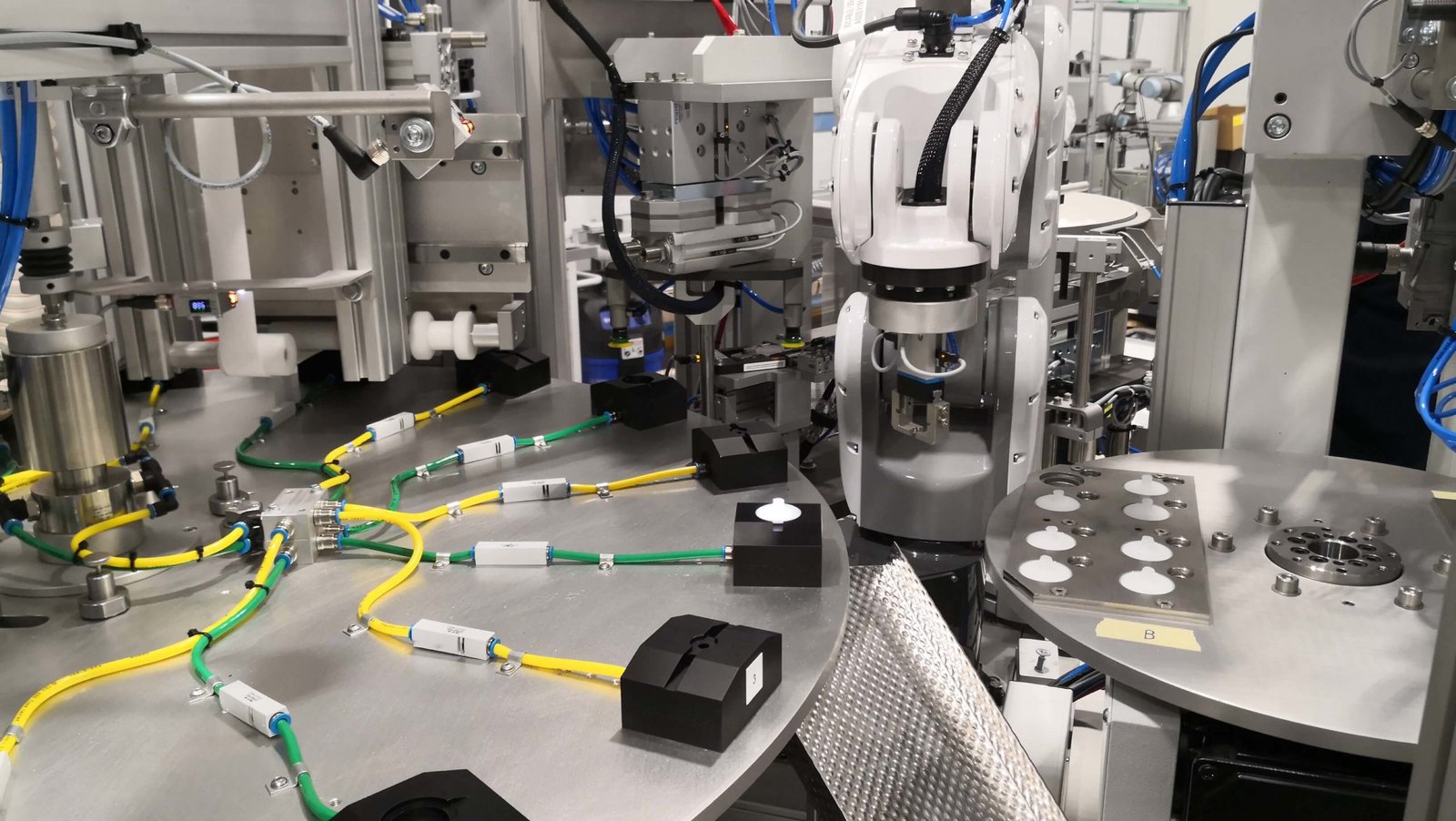
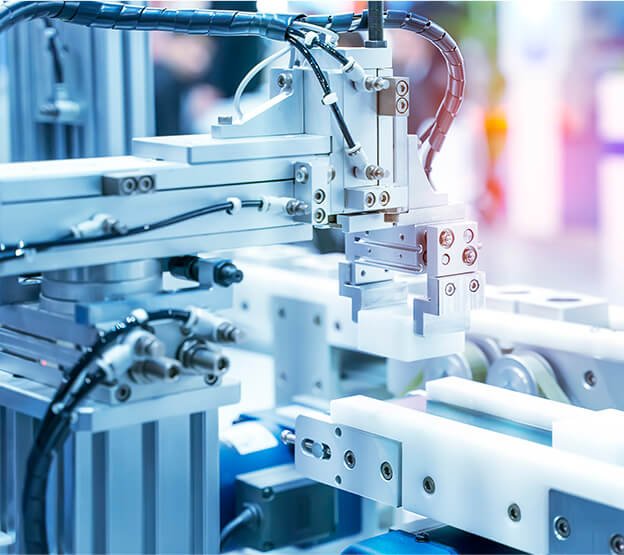
Machine automation is the application of control systems, robotics, and information technologies to operate machinery and industrial processes with minimal human intervention. It transforms traditional manufacturing setups into highly efficient, consistent, and scalable systems. Whether it’s assembly, inspection, packaging, or material handling, automation helps industries reduce labor costs, eliminate errors, and increase production capacity.
With the rise of Industry 4.0, machine automation goes beyond just control—it integrates data analytics, IoT devices, and smart sensors to create intelligent, adaptive manufacturing environments. These systems work together to optimize performance in real-time, ensuring safety, efficiency, and quality in every process.
Through a combination of risk analysis, phased implementation, and expert support, legacy upgradation ensures minimal disruption while enhancing productivity and aligning with industry 4.0 standards. The goal is not just replacement—but transformation, enabling organizations to maintain a competitive edge in evolving markets.

Many industries still rely on semi-automated or manual processes that are prone to inconsistency, human error, and inefficiencies. These setups often face challenges like low throughput, high rejection rates, and operational downtime. Skilled labor shortages further aggravate the issue, slowing down production and affecting quality standards.
As customer demand increases and quality standards rise, traditional machinery struggles to meet performance expectations. A lack of data insights, slow changeover times, and limited flexibility further impact overall productivity. Without automation, scaling operations becomes increasingly difficult and costly.
Implementing machine automation enhances production speed, accuracy, and safety while reducing dependency on manual labor. It enables round-the-clock operations with consistent output and improved product quality. Automated systems reduce waste, energy consumption, and operational costs over time.
Industries benefit from improved traceability, better inventory control, and faster response to changing production demands. Automation also allows for easy scaling, remote monitoring, and predictive maintenance—ensuring that machines work smarter, not just harder.